

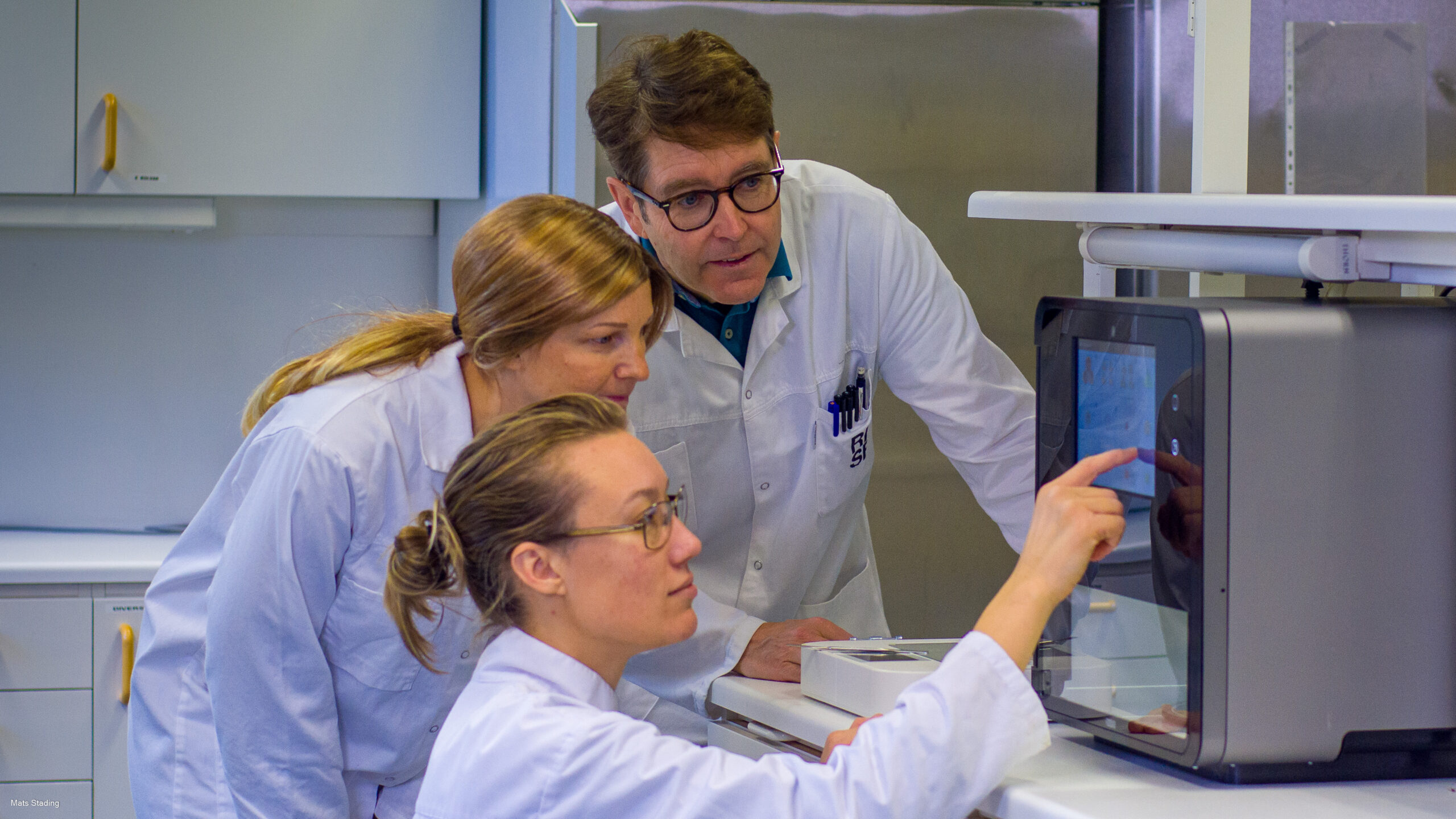
Where can circular food innovation contribute?
The European Commission has set out a plan to strengthen Europe’s protein system. For PLANTOMYC, its emphasis on resilience, sustainable production and better use of resources raises an important question: how can research turn those ambitions into food people want to eat?
Europe produces a great deal of protein, yet remains dependent on imports for some of the protein-rich crops and materials used in animal feed. According to the European Commission, only 25% of the protein from oilseeds and protein crops used in the EU was sourced domestically in 2025. This dependence leaves food supply chains exposed to disruptions and price volatility, while putting pressure on Europe to make better use of its own agricultural resources.
Published in July 2026, the Commission’s Protein Action Plan brings together measures to expand sustainable EU protein production, improve supply-chain resilience, support demand, advance research and strengthen policy coordination. Its headline aim is to increase the share of protein from oilseeds and protein crops produced in the EU and used as animal feed from 25.8% to 35% by 2035.
What does the plan propose?
The plan looks beyond growing more crops. It sets out ways to help farmers cultivate protein crops suited to local conditions, strengthen storage and processing capacity, and make it easier for actors across the value chain to work together. It also calls for more diverse import sources, more efficient use of feed and biomass, and research that can improve protein production and use. On the demand side, it points to public procurement, information about origin and promotion of EU-grown pulses as possible ways to support uptake.
These areas matter together. A crop needs a viable market; an innovative ingredient needs a dependable supply chain; and a new food needs to deliver on taste, texture, nutrition and affordability. Turning a protein strategy into practical change will require progress across all three.
Where PLANTOMYC fits
The Commission’s numerical target is specifically about animal feed. PLANTOMYC works on food for people, so the project should not be presented as directly delivering that target. Its connection to the plan lies in the wider ambition to diversify protein sources, use biomass more efficiently and develop resilient European value chains.
PLANTOMYC is investigating how to combine plant proteins with mycelial protein biomass to create hybrid meat alternatives. It is also exploring whether side streams from food production, including brewer’s spent grain and materials from pea processing, can serve as substrates for fungal fermentation. The project aims to develop appealing products while studying the safety, performance and potential of these circular production routes.
That approach offers a practical research question for Europe’s protein transition: can more value be created from materials already circulating in the food system? Fermentation may open up new uses for these materials, but environmental and commercial benefits must be demonstrated through research and assessment rather than assumed.
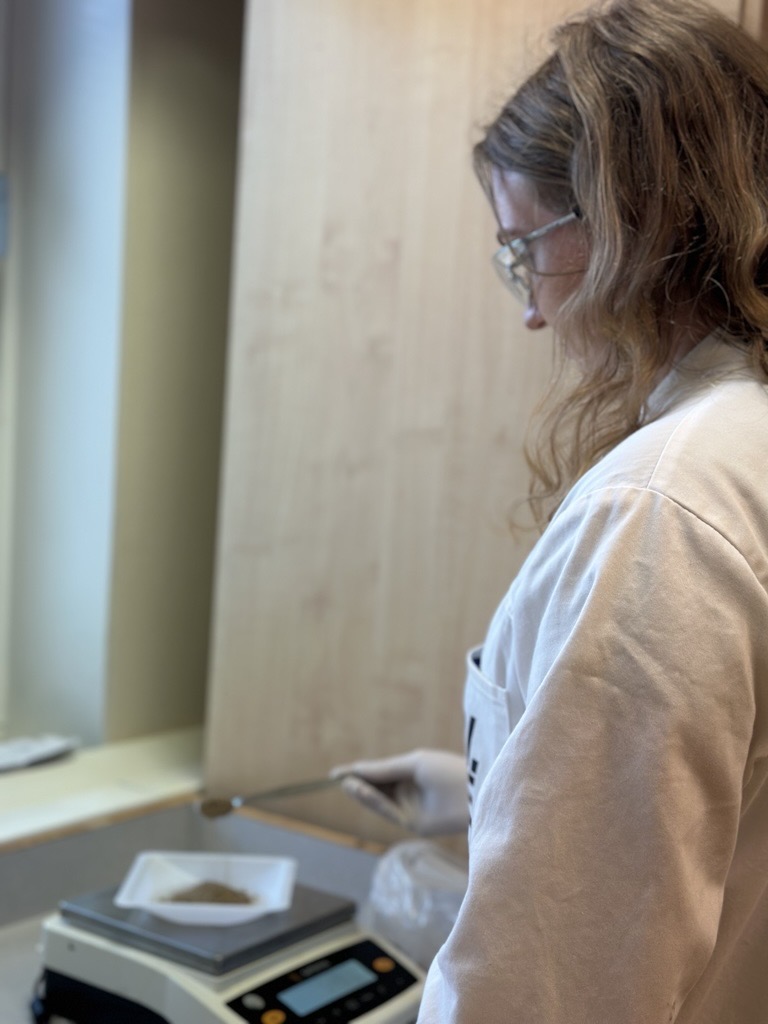
From policy ambition to everyday food
Increasing protein supply is only part of the challenge. For new foods to find a place on people’s plates, they must meet expectations for flavour, texture and ease of use. PLANTOMYC’s work on hybrid products connects ingredient innovation with those everyday choices. Its research on circular substrates also explores how protein diversification could be supported without relying solely on additional primary crops.
The Protein Action Plan provides a direction for Europe’s wider protein system. Projects such as PLANTOMYC can contribute evidence on what works in practice: which inputs are suitable, which processes can scale, what impacts they have, and whether consumers welcome the resulting foods. Bringing those answers together will help turn a more diverse and resilient protein system from a policy goal into a realistic option.
Sources
[1] European Commission, Reducing the plant protein deficit of the EU (Protein Action Plan, July 2026).